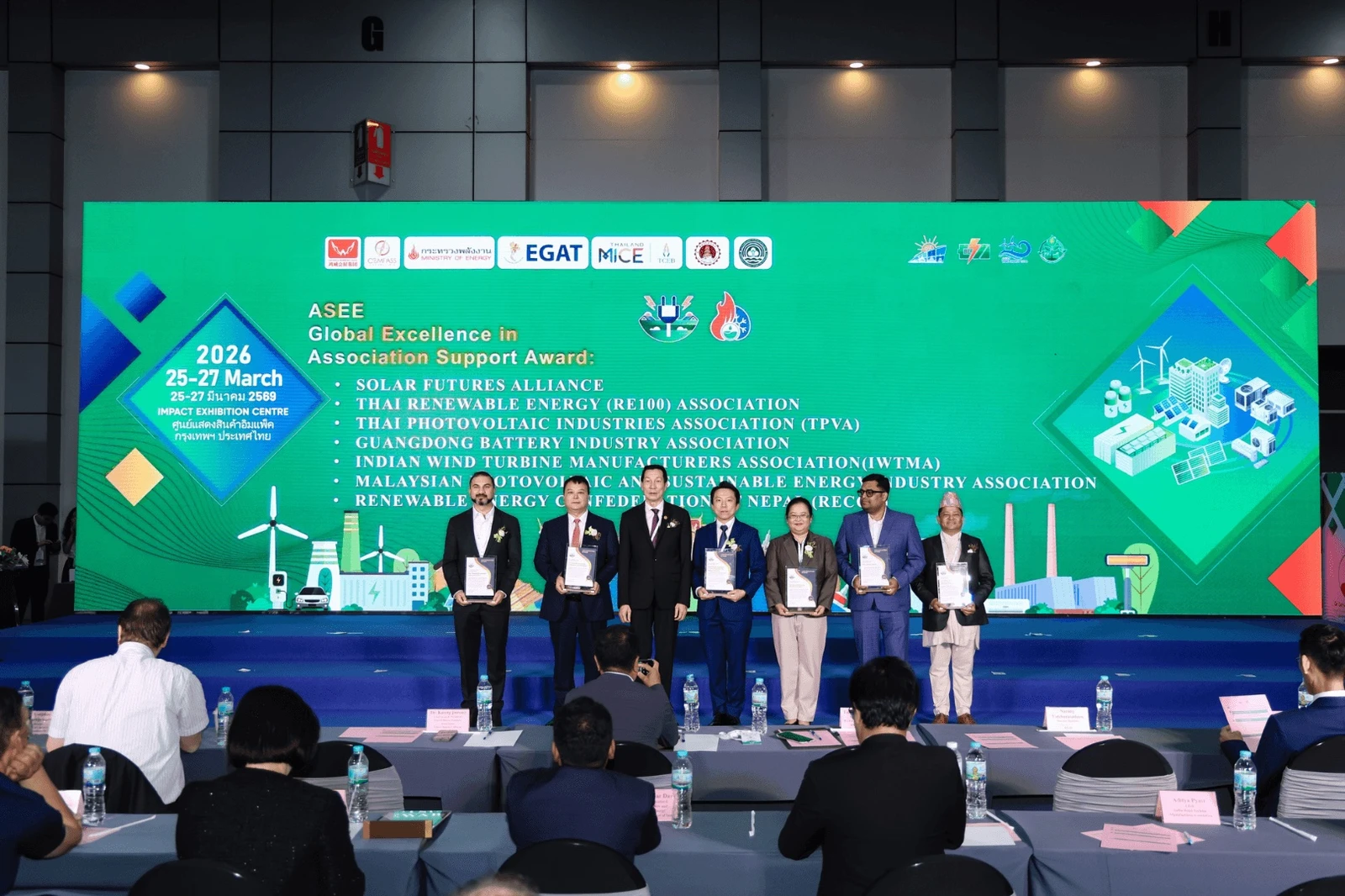
Solar Futures Alliance served as Official Strategic Advisor to ASEE 2026 and brought the voice of the Global South's solar industry to one of ASEAN's most significant energy forums.
Bangkok, Thailand, 25–27 March 2026
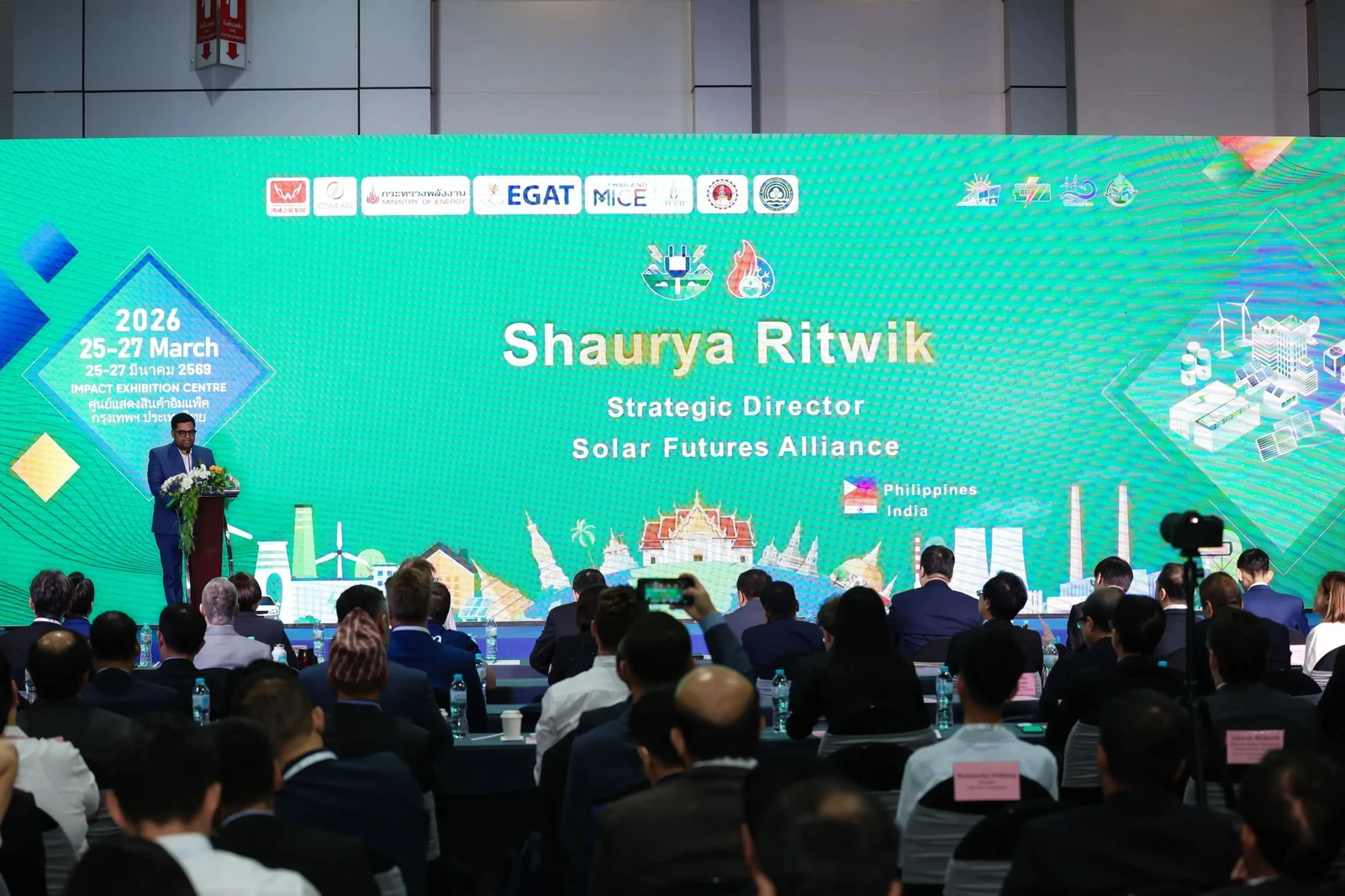
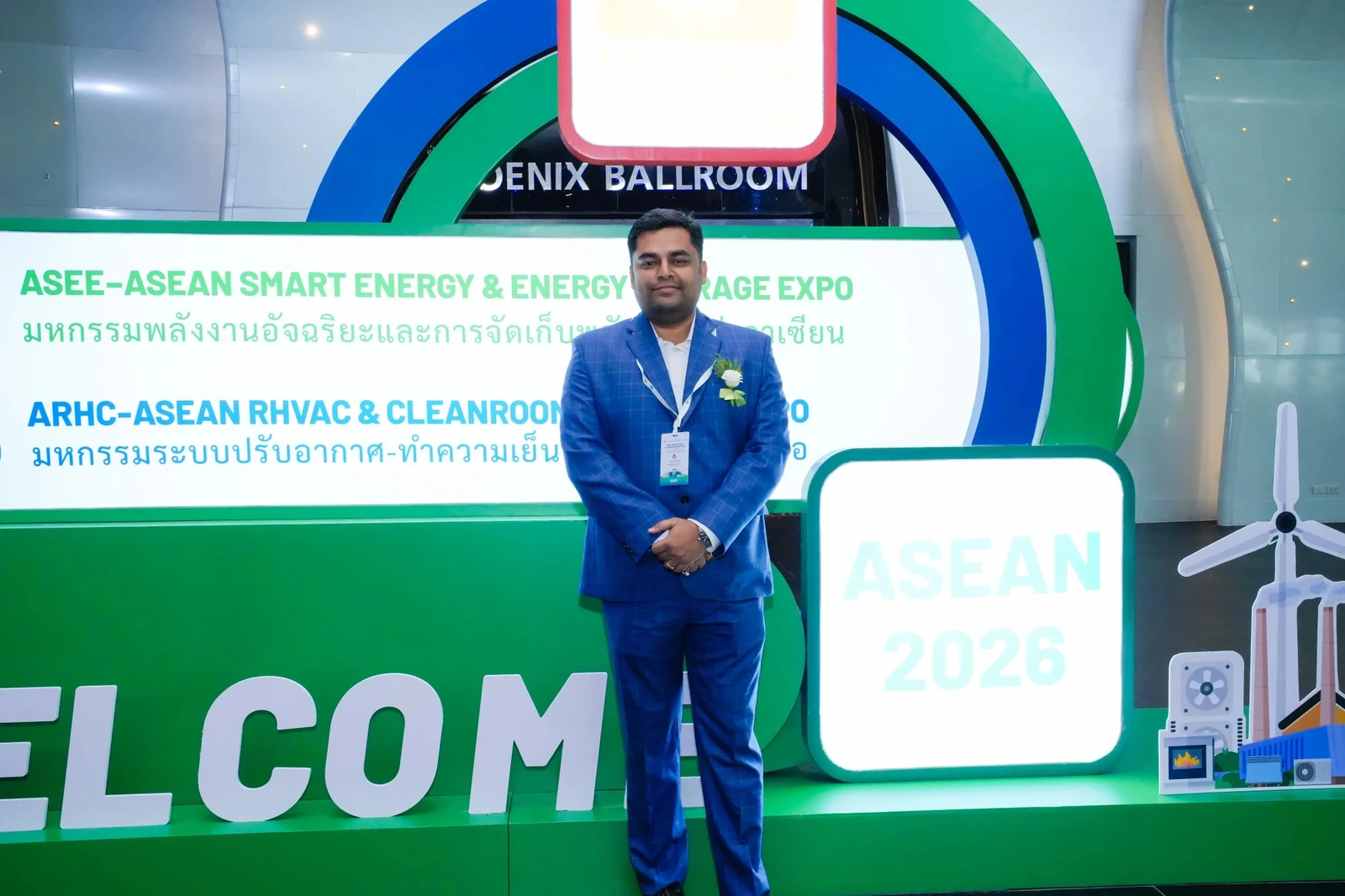
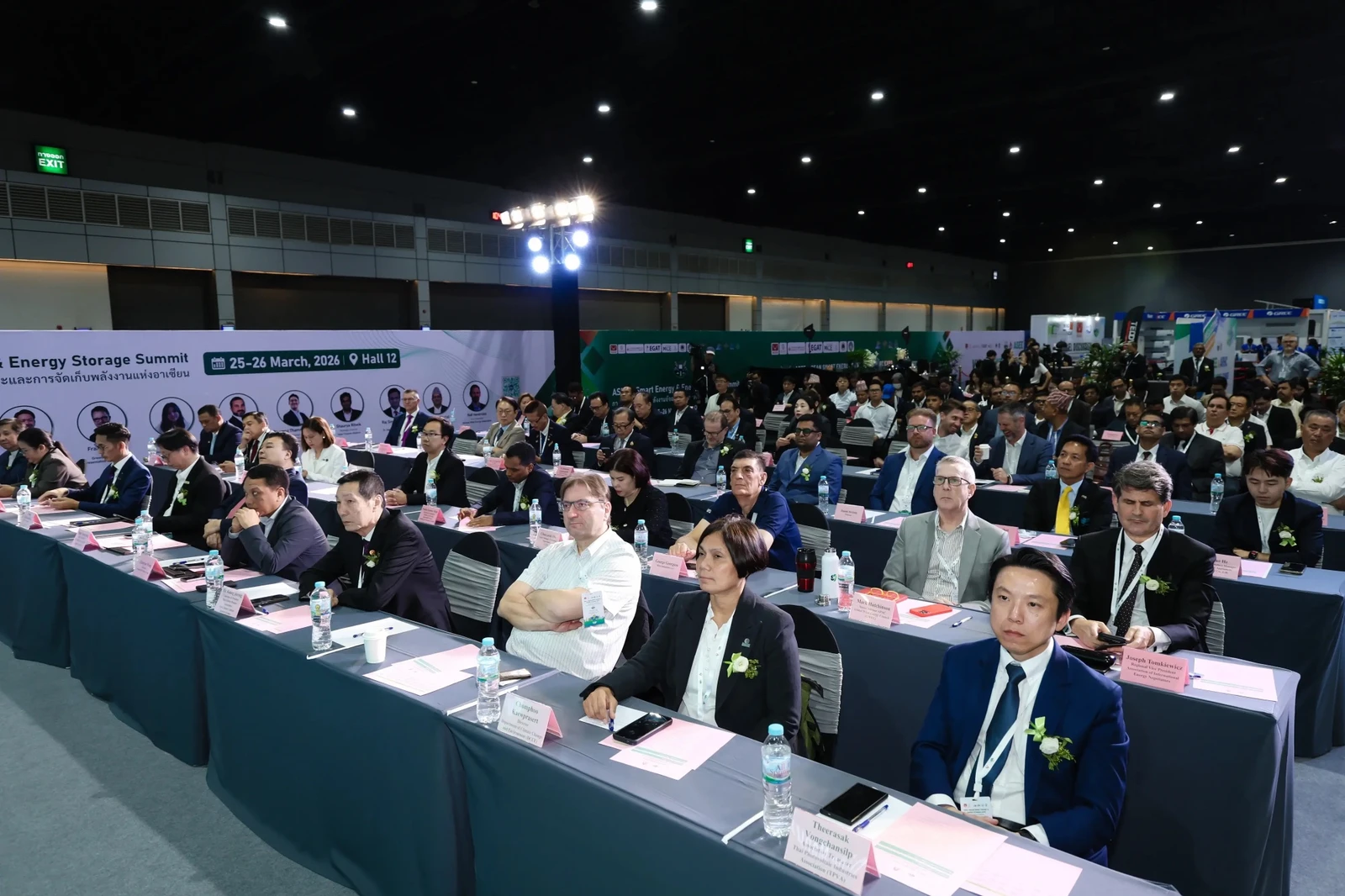
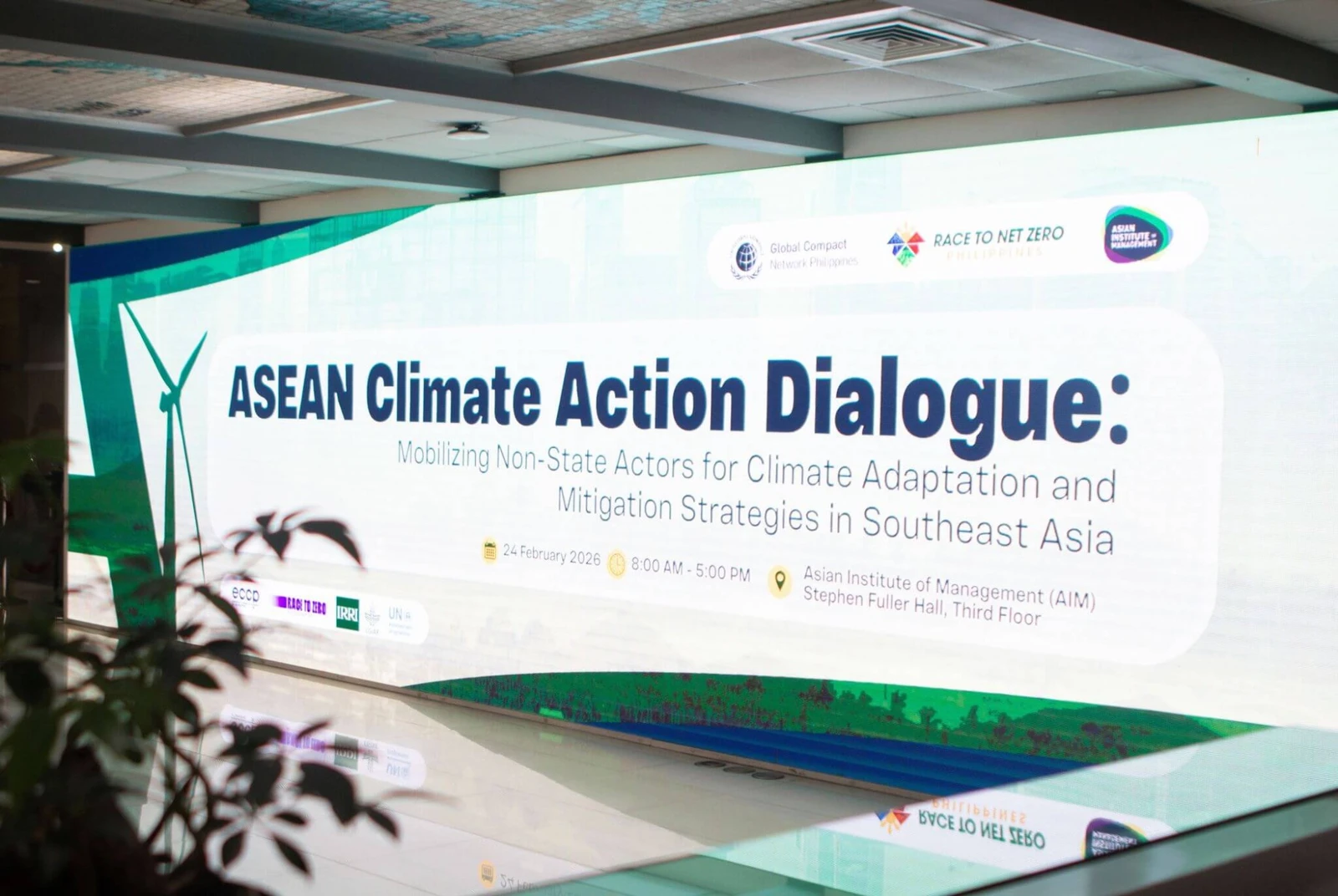
Solar Futures Alliance was honoured to serve as Official Strategic Advisor to the ASEAN Smart Energy and Energy Storage Summit 2026, held at the IMPACT Exhibition Centre, IMPACT Arena, Bangkok, Thailand, one of ASEAN's premier forums for energy policy, technology, and investment.
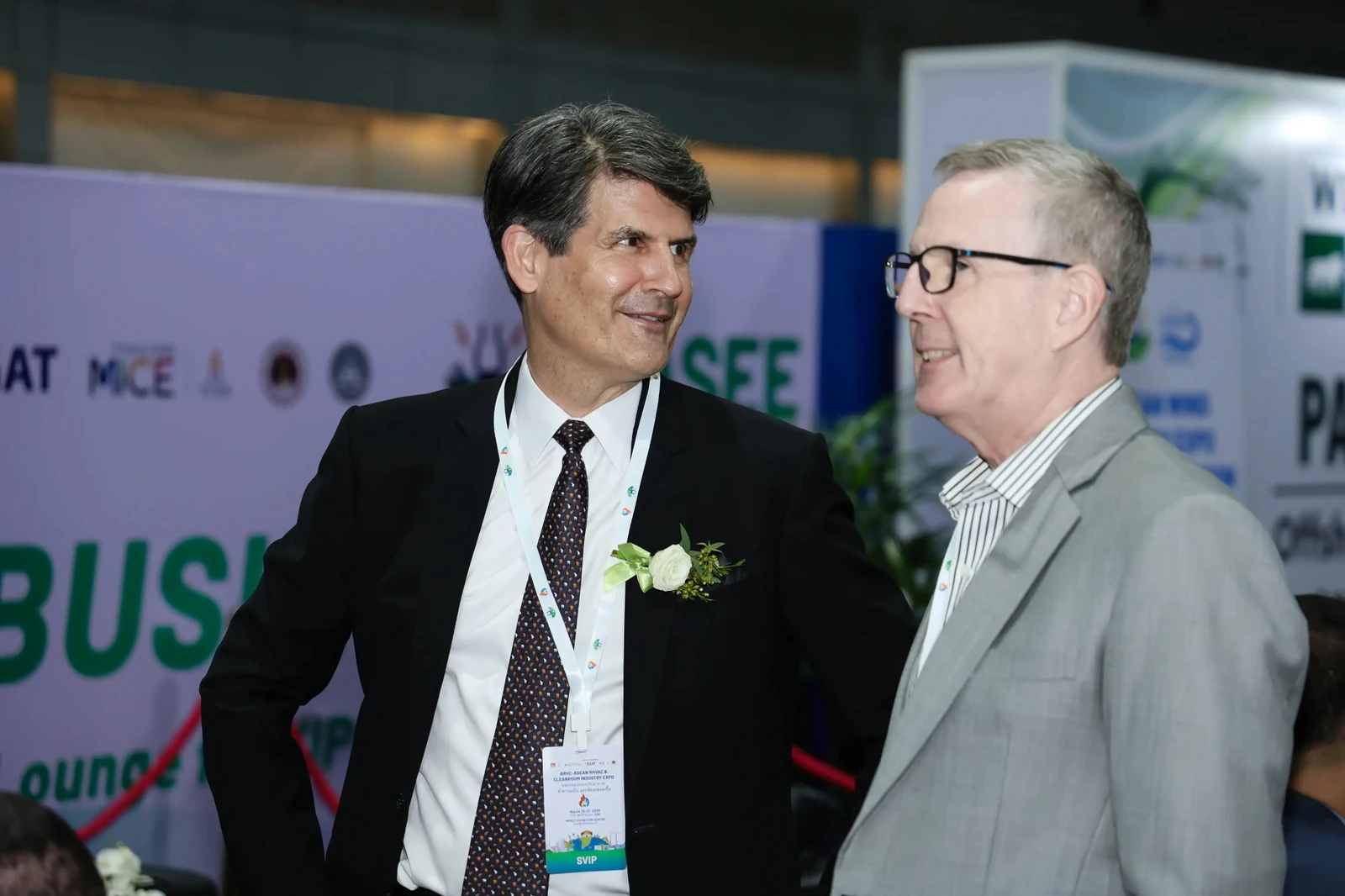
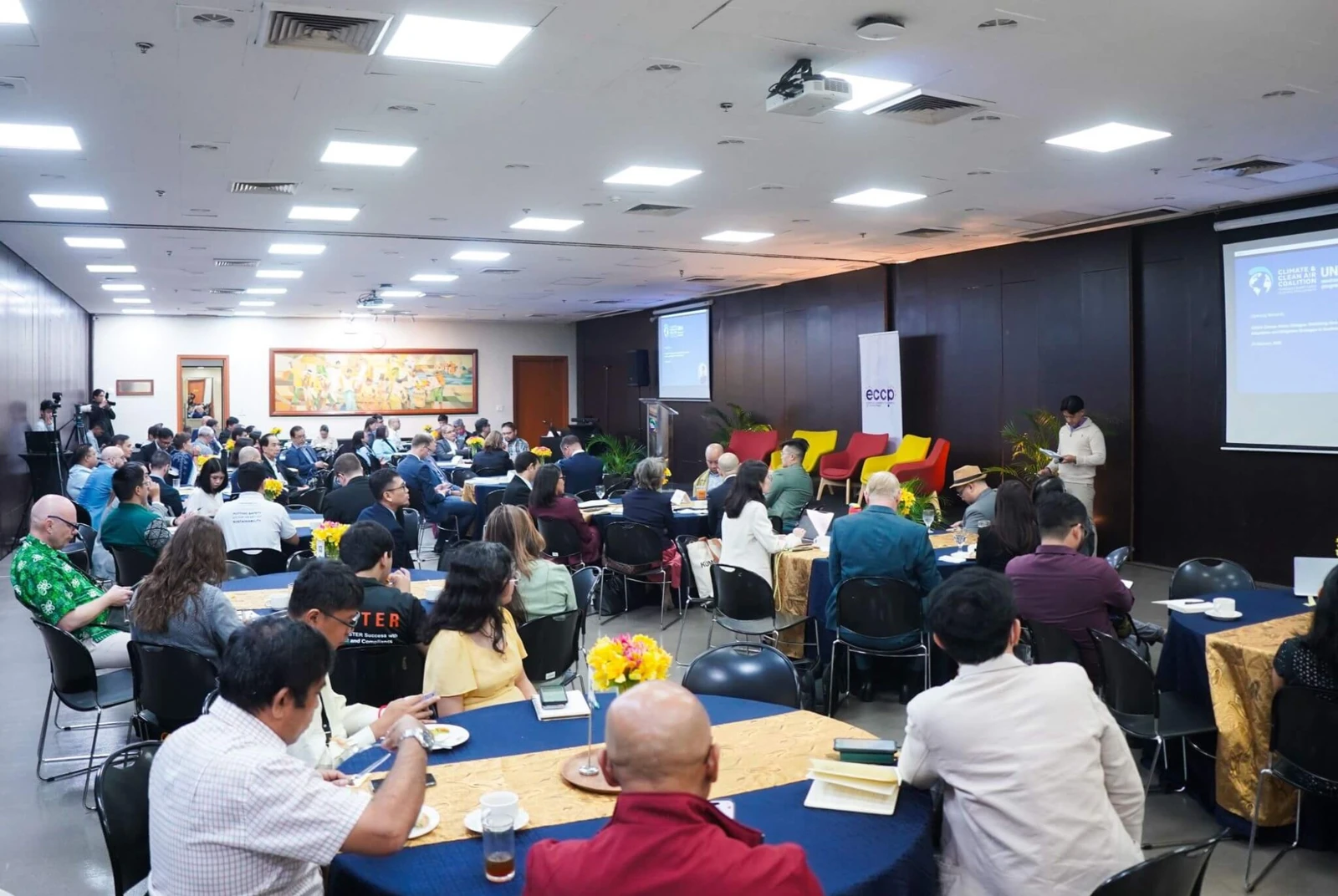
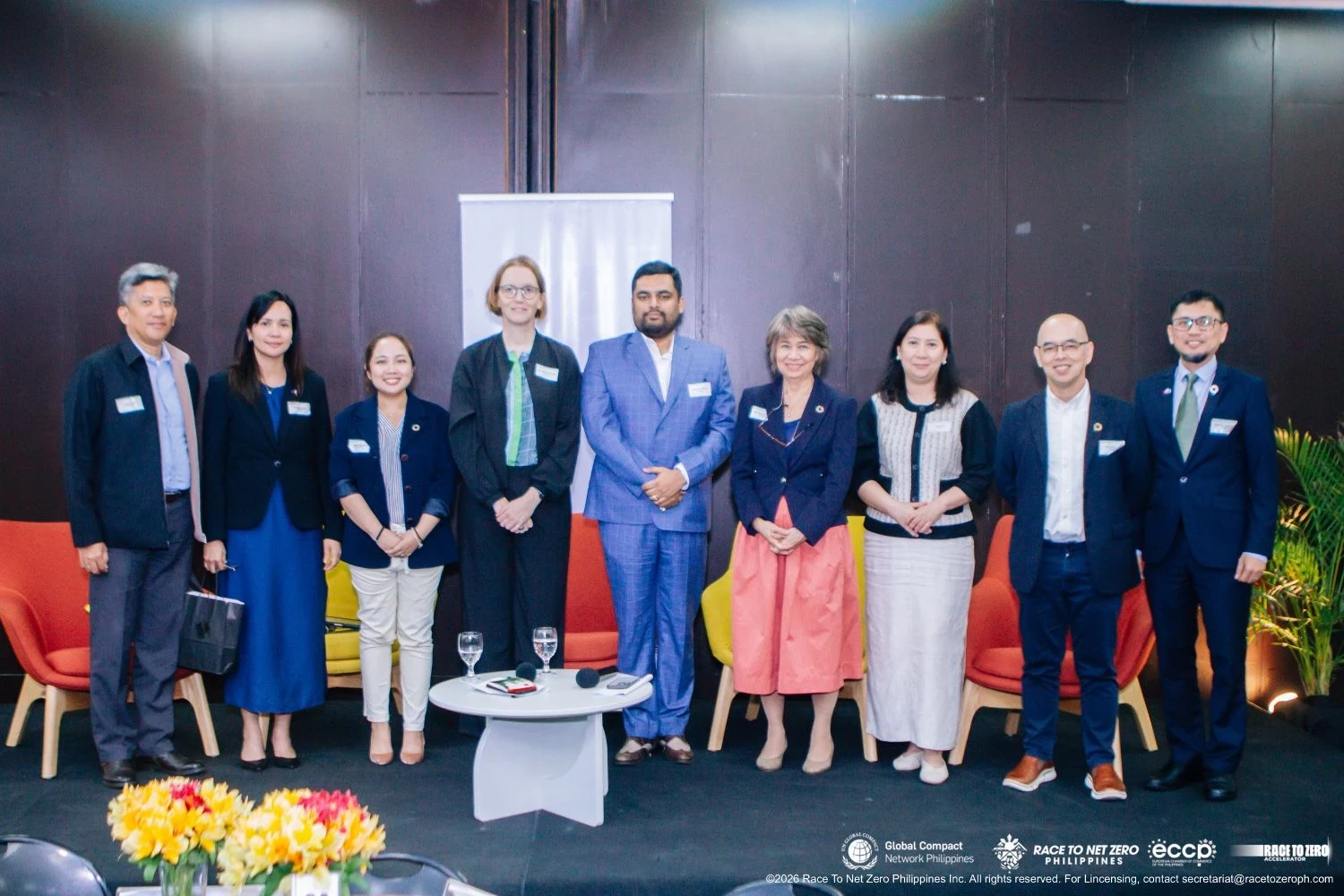
The Summit brought together policymakers, senior government officials, industry executives, manufacturers, financiers, researchers, and multilateral representatives from across the ASEAN region and beyond.
Opening Address: A World That Can No Longer Afford to Wait
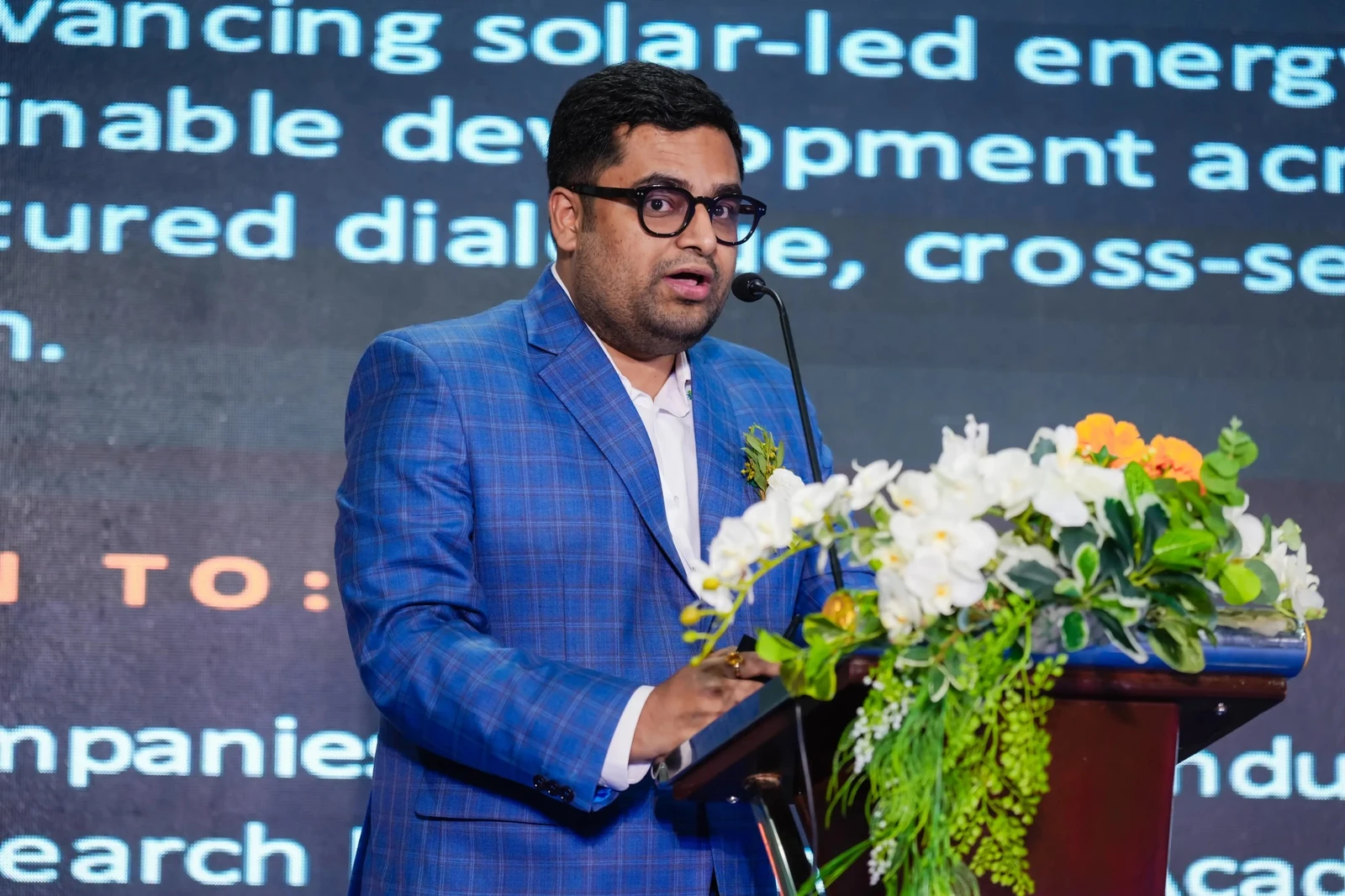
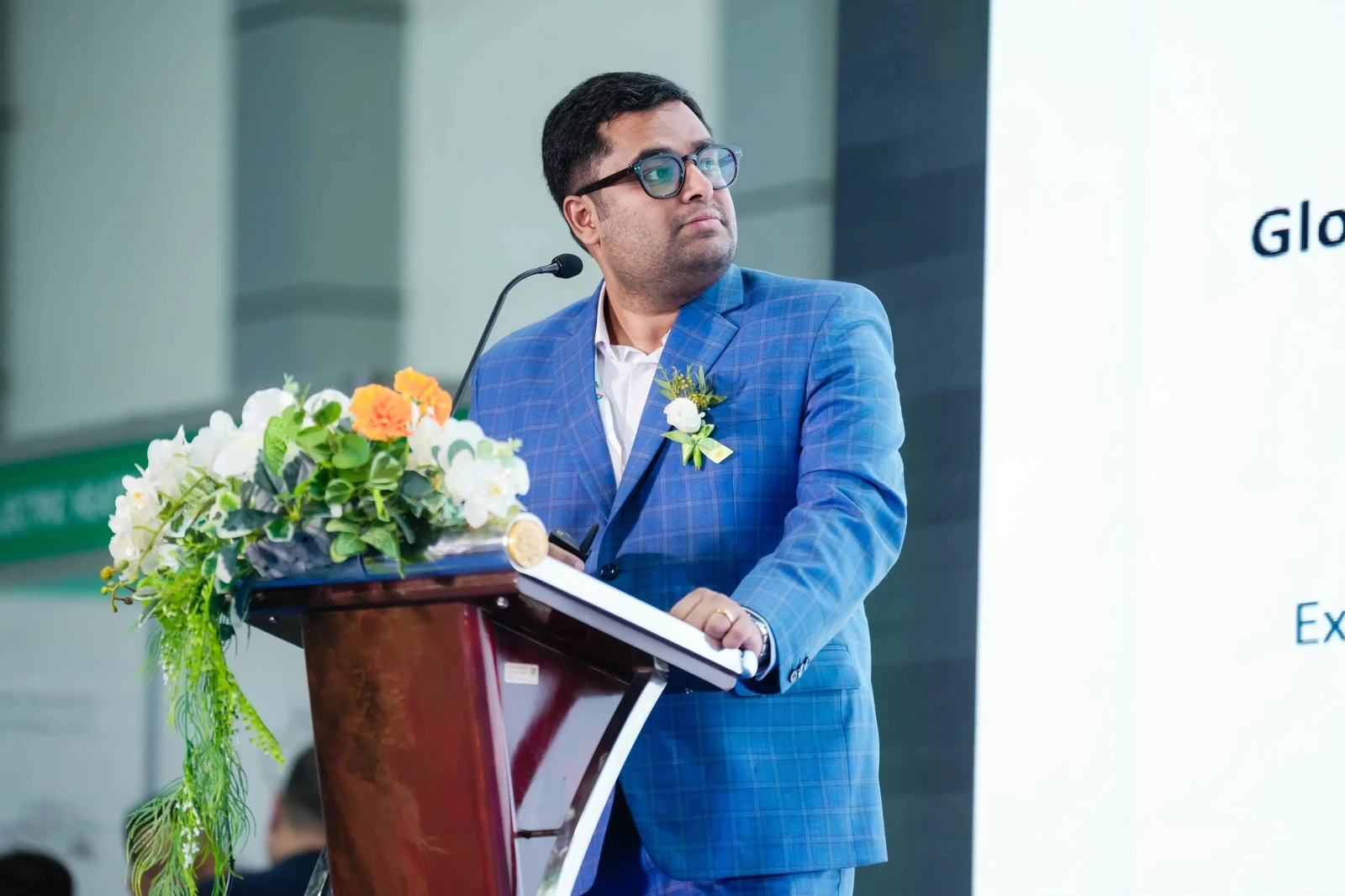
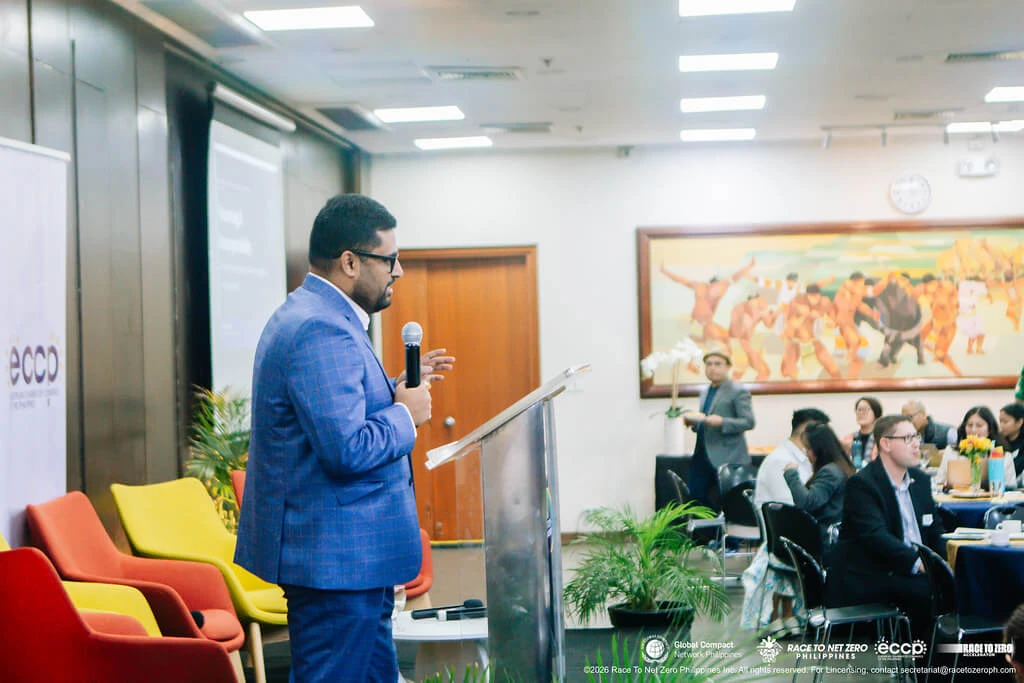
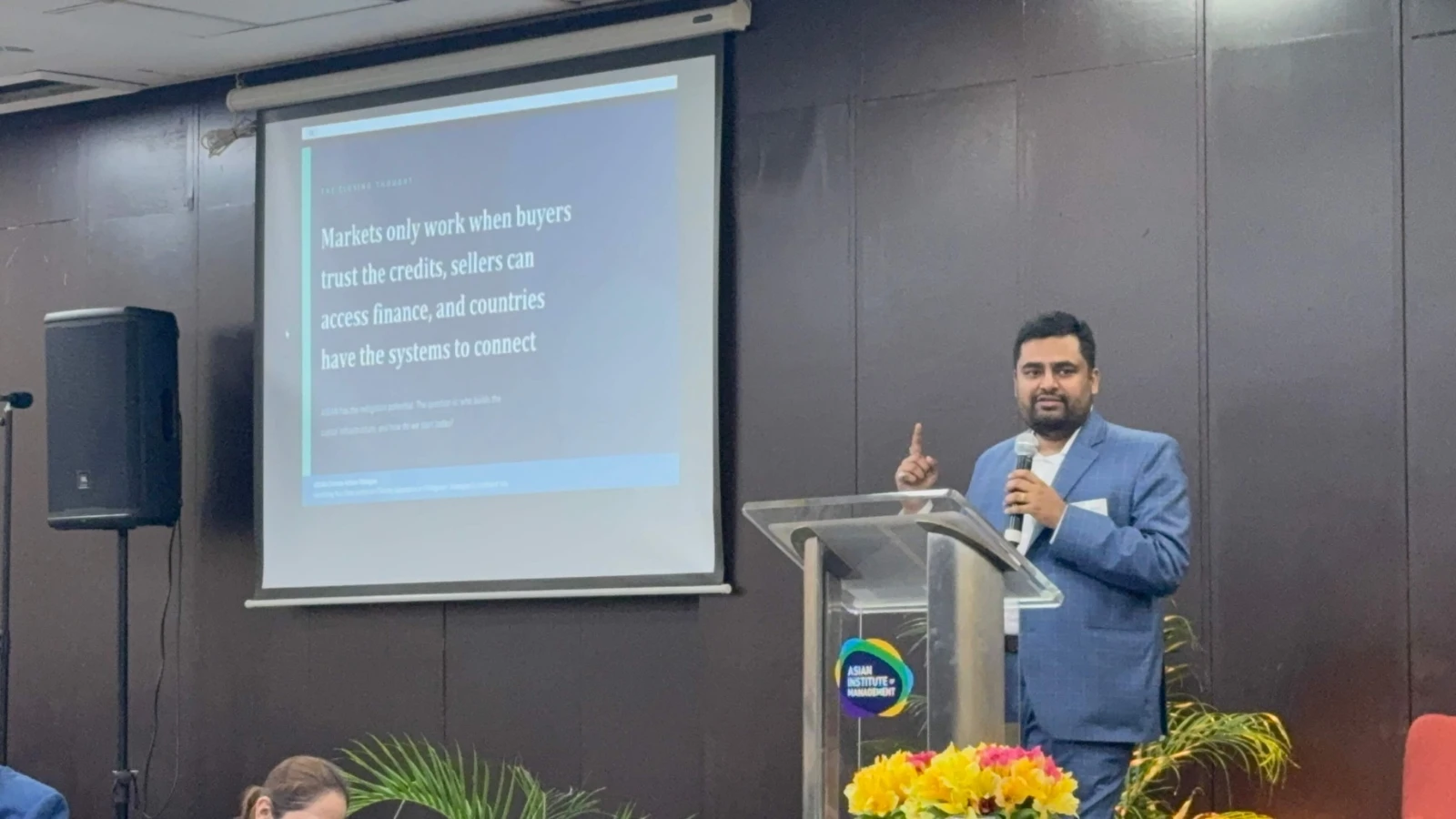
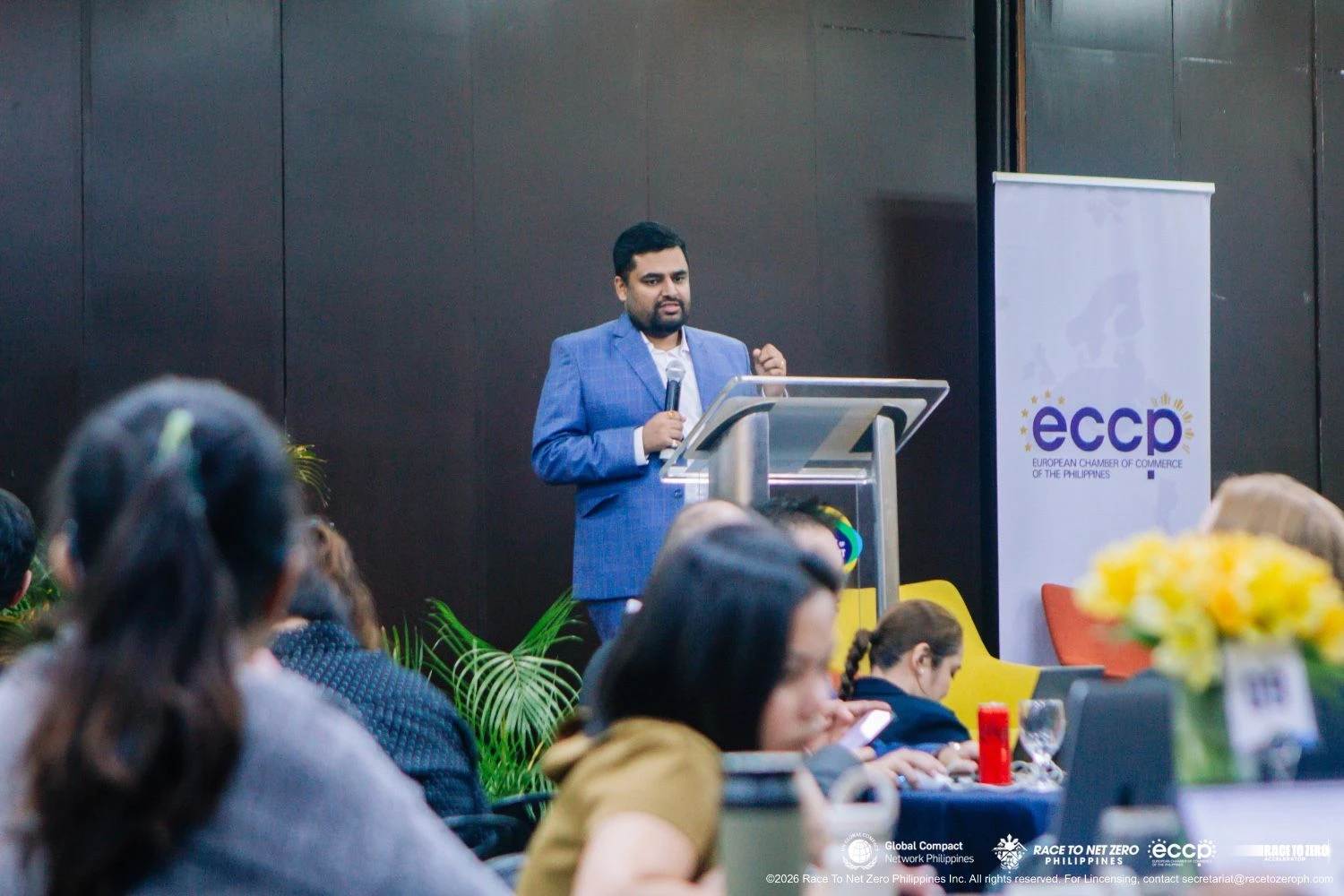
Shaurya Ritwik, Strategic Director of Solar Futures Alliance, delivered the Inaugural Opening Remarks at ASEE 2026, an invitation that reflected both the Alliance's standing in the region and its institutional commitment to elevating the policy and finance conversation around solar deployment across the Global South.
Opening before the assembled delegates, Ritwik drew the room's attention not to the technical achievements of the solar industry, but to the geopolitical and humanitarian lessons of the West Asia crisis. The conflict had, with unusual clarity, exposed the structural fragility of energy systems built on fossil fuel dependency and supply chains controlled by distant actors. He argued that for nations across the Global South, the crisis was not merely a tragedy to observe but a lesson to act upon, and that the lesson was unambiguous: energy sovereignty is not a strategic preference, it is an existential necessity.
Nations that depend on imported hydrocarbons for their power generation had discovered in real time the cost of that dependency, not just in price, but in political leverage, in developmental options, and in the ability to chart an independent course. The West Asia crisis had, in this sense, made the theoretical argument for distributed solar generation into an empirical one. The data was no longer in a report. It was on the news.
Against this backdrop, Ritwik made the case for urgency, not the aspirational urgency of climate targets, but the strategic urgency of nations that understand what it means to be structurally vulnerable. ASEAN, he argued, sits at a moment of extraordinary strategic opportunity. The region has the solar resource, the manufacturing base, the development imperative, and increasingly the political will. What it requires now is the speed of deployment to match the speed of a world that is changing faster than most institutions are designed to respond to.
The address set a deliberate and serious tone for the Summit's proceedings, grounding three days of technical, policy, and investment dialogue in a strategic frame that extended well beyond the sector itself.
Keynote Address: Financing the Solar Century
Later in the Summit proceedings, Ritwik delivered the keynote address titled Financing the Solar Century: Capital, Policy, and Powering ASEAN's Energy Transition, a substantive address that moved systematically through the financing gap, the institutional constraints, and the specific levers available to the decision-makers in the room.
The keynote opened with a challenge to the assumptions that often dominate energy finance discussions. Drawing on data from IRENA, BloombergNEF, and the IEA, Ritwik presented a precise picture of where ASEAN stands: renewable energy accounting for a fraction of its actual potential, a financing gap measurable in hundreds of billions of dollars annually, and policy frameworks that too often reward the production of commitments over the execution of projects.
He argued that ASEAN's solar transition would not be determined by technology, which is ready, nor by ambition, which is abundant, but by three structural questions: whether capital allocation frameworks could be redesigned to price transition risk correctly; whether regulatory environments could provide the policy stability that long-term institutional capital requires; and whether the region's governments and institutions could move from aspirational targets to bankable project pipelines.
"Capital does not move because targets are ambitious," he said. "Capital moves when risk is understood, when contracts are enforced, and when the institutions structuring the deal have the capacity to see it through. ASEAN has the assets. What it needs now is the institutional infrastructure to unlock them."
The address drew particular attention to the imperative of energy sovereignty for the Global South, arguing that nations across Asia, Africa, and Latin America must not merely participate in the energy transition as consumers of capital and technology, but must shape its terms, build its institutions, and capture its economic value for their own populations. The West Asia crisis had given that principle an urgency that no policy paper could manufacture.
SFA's Role: Advancing the Voice of the Global South
Solar Futures Alliance attended ASEE 2026 in its full institutional capacity as Official Strategic Advisor, not as an observer, but as an active shaper of the Summit's intellectual and policy agenda. This reflects SFA's foundational commitment: that every global forum and convening on solar energy must carry the voice of the Global South's solar industry and the imperative of energy sovereignty, not as a secondary consideration, but as the central logic of the transition itself.
ASEAN is where energy demand is rising fastest, where climate vulnerability is highest, where the development case for solar is strongest, and where the structural barriers to deployment remain most acute. Ensuring that these realities shape international policy dialogue, rather than being framed as regional footnotes to a conversation led elsewhere, is the work Solar Futures Alliance brings to every forum, every convening, and every engagement on the global stage.
In Gratitude
Solar Futures Alliance extends its sincere gratitude to the organising committee of ASEE 2026, to the Ministry of Energy of Thailand, and to the Government of Thailand for their exceptional stewardship of this Summit. The quality of dialogue, the seriousness of engagement, and the calibre of participants made ASEE 2026 a genuinely significant moment in ASEAN's energy transition.
To every delegate, speaker, panellist, manufacturer, financier, and participant who brought their expertise, their questions, and their commitment to the proceedings, thank you. The transition ahead is consequential. Summits like ASEE matter because they put the right people in the same room at the right moment. What is done with that moment is what history records.
Solar Futures Alliance looks forward to continued engagement with ASEAN's energy stakeholders as the region advances toward a solar-led, sovereign energy future.
For enquiries regarding SFA's participation in events and convenings, contact the Secretariat at office@solarfutures.in